Moon Line Astrocartography: Home, Emotions & Family

This page explains the Moon line in astrocartography in full—what it means emotionally and domestically, how the four angles (ASC, DSC, MC, IC) change its expression, and how to use your Moon line when seeking home, healing, or deeper emotional connection.

MOON LINE

What Is the Moon Line in Astrocartography?

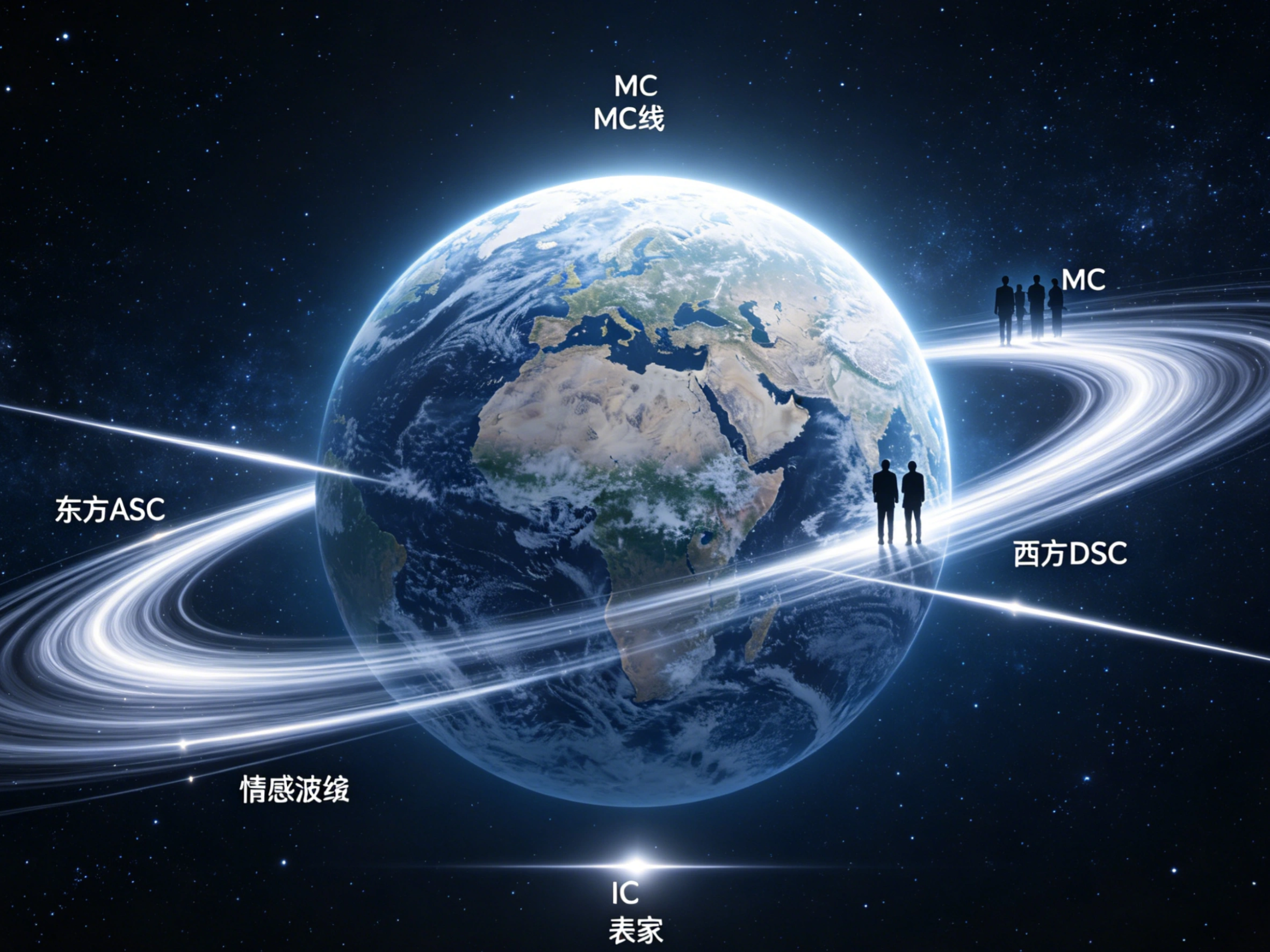
The Moon line in astrocartography is a path on your world map marking where the Moon was positioned at one of the four key angles of the sky at your birth moment. In these geographic locations, lunar energy becomes amplified—your emotional world becomes more active, your need for comfort and belonging intensifies, and domestic life takes on greater significance. Moon lines are among the most personally intimate placements in astrocartography, connecting you directly to your feeling nature and your deepest sense of home.

What the Moon governs in astrocartography

What the Moon Governs in Astrocartography

In astrology, the Moon represents emotions, intuition, comfort, the subconscious, nurturing, memory, and the primal need for security and belonging. It governs your emotional patterns, your relationship to your mother and family of origin, and what makes you feel safe and cared for at the deepest level. In astrocartography, the Moon line amplifies all of these qualities in specific geographic locations. People near their Moon lines consistently report heightened emotional sensitivity—feelings surface more readily, moods are more fluid, and the environment triggers both comfort and vulnerability in ways that other places don't. The Moon line also tends to activate a strong pull toward creating a home base, building domestic routines, and nurturing close relationships.

Moon ASC DSC MC IC lines in astrocartography explained

The Four Moon Lines: ASC, DSC, MC, and IC

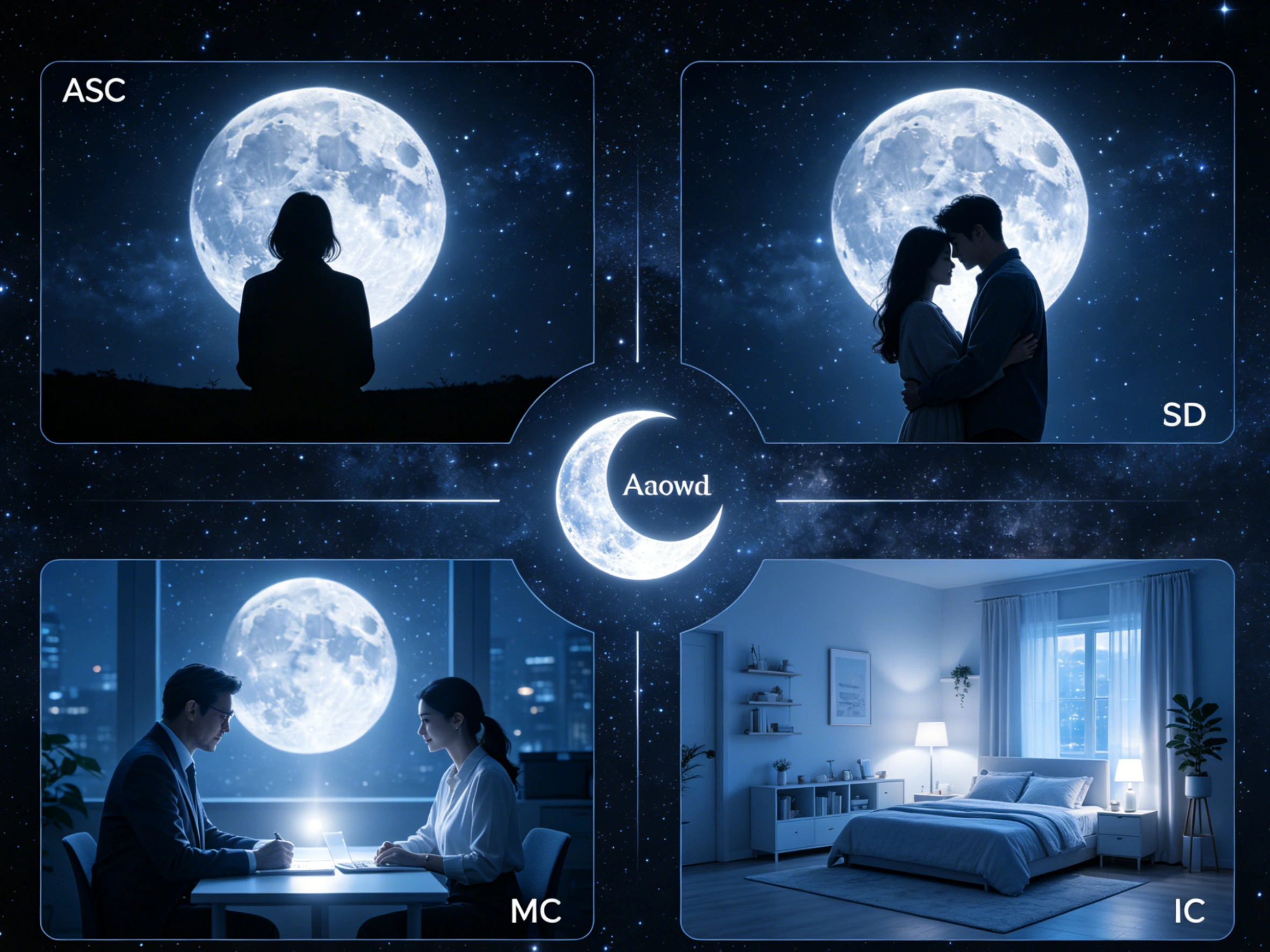
Your Moon line appears in four versions, each activating lunar energy in a different life domain. The Moon ASC line places lunar energy in your personal identity and self-expression—you feel more emotionally aware, more in touch with your inner life, and others perceive you as nurturing and emotionally accessible. The Moon DSC line focuses lunar energy on close relationships, creating bonds that feel deeply caring and emotionally supportive, though also potentially intensely codependent. The Moon MC line channels emotional intelligence into career and public life—your work becomes driven by feeling and intuition, and you may be known for your empathy or care for others in a public-facing way. The Moon IC line is the most powerful placement for home and belonging: often called the 'cozy sweater line,' it marks places where you feel most deeply at home, where domestic life is nurturing, and where a genuine sense of roots and belonging emerges.

Emotional experience of living on a Moon line

The Emotional Quality of Moon Line Locations

Living near a Moon line is an inward-focused experience. Unlike Sun lines, which push you outward toward achievement and recognition, Moon lines draw you inward—toward feelings, rest, reflection, and connection. People in Moon line cities often describe feeling more emotionally open than usual, more aware of their subconscious needs, and more drawn to creating comfort in their living environment. Memories surface more readily, old emotional patterns become more visible, and healing from past wounds often happens more naturally in these locations. The shadow side of Moon lines is their capacity for emotional overwhelm: moodiness, oversensitivity, difficulty maintaining emotional boundaries, and occasionally a tendency toward withdrawal or excessive comfort-seeking rather than engaging with the outer world.

THE 4 ANGLES

Moon Line by Angle: What Each Placement Means

Each of the four Moon line angles activates lunar energy in a specific domain of your life. Understanding which angle falls in or near a particular city tells you exactly how that city will shape your emotional and domestic experience.

On your Moon Ascendant line, lunar energy enters through your personal identity and how you come across to others. You feel more emotionally expressive, more attuned to your inner world, and others perceive you as nurturing, empathetic, and emotionally available. This line is excellent for periods of personal healing and self-discovery—your feelings become easier to access and understand, old patterns surface for examination, and emotional intelligence deepens. People on Moon ASC lines often become more interested in psychology, therapy, or inner work during their time in these cities. The shadow side is oversensitivity and difficulty maintaining clear identity separate from your emotional reactions.

Moon ASC line emotional openness in astrocartography
Moon DSC line nurturing relationships in astrocartography
Moon MC line career meaning in astrocartography
Moon IC line home and belonging meaning in astrocartography
PRACTICAL GUIDE

How to Use Your Moon Line in Astrocartography

The Moon line is one of the most valuable tools in astrocartography for those seeking home, emotional healing, or deeper connection. Here is how to approach it practically.

Key Facts About the Moon Line

Important nuances for accurately interpreting and using your Moon line in astrocartography.

Moon IC Is Often Called the 'Ideal Home Line'

Among all planetary line placements, Moon IC consistently receives the highest ratings for long-term residential comfort and genuine belonging. Astrocartographers from diverse traditions agree that the Moon IC line creates the most naturally 'home-like' environment of any placement—where domestic routines feel restorative, community bonds feel familial, and the land itself seems to hold you. If only one line could be chosen for a permanent home base, many practitioners would choose Moon IC.

Moon Lines Activate Unconscious Material

One of the most distinctive features of Moon line locations is their tendency to bring unconscious emotional content to the surface. Old memories arise more readily. Dreams become more vivid and emotionally meaningful. Patterns established in your family of origin become more visible and, often, more workable. While this can feel disorienting, it makes Moon line cities genuinely powerful environments for therapeutic work, deep personal reflection, and healing inherited emotional patterns.

Moon Lines Are Particularly Important for Women

While all planetary lines affect everyone regardless of gender, the Moon's association with feminine principles—cyclical rhythms, emotional intelligence, nurturing, receptivity—means that Moon lines often feel especially resonant for women. Menstrual cycles may regulate more naturally in Moon line cities. The sense of alignment with bodily rhythms often deepens. This is not a rigid rule but a pattern observed across thousands of individual astrocartography experiences.

The Moon's Phase at Your Birth Shapes the Line's Quality

Your natal Moon's phase—whether it was new, waxing, full, or waning at your birth—adds additional nuance to how your Moon line expresses itself geographically. Those born under a Full Moon tend to experience Moon line locations with particularly intense emotional amplification. Those born under a New Moon may find Moon line cities feel more internally focused and subtly influential rather than dramatically emotional. This additional layer of interpretation adds depth to an already rich placement.

FAQ

Moon Line Astrocartography — Frequently Asked Questions

Answers to the most common questions about the Moon line in astrocartography.

Find Where Your Moon Line Falls

Generate your personal astrocartography map and see exactly where your Moon line crosses the globe—including which of the four angles (ASC, DSC, MC, IC) is active in specific cities. Click any location for an instant AI interpretation of what the Moon line means for your home life, emotional wellbeing, and sense of belonging. Completely free, no sign-up required.